
How Often Should Stormwater Pond Slopes Be Mowed?

A stormwater pond does more than just sit on your property and hold water. Its slopes play a real role in how well the whole system works. Left unmowed, these slopes can quickly turn into a tangle of weeds, brush and small trees.

Many property managers and HOAs ask the same question. How often do these slopes actually need mowing? Getting a clear stormwater management solutions plan in place from the start makes this much easier to answer, since mowing works best as part of a wider care routine rather than a standalone task. This guide walks through mowing frequency, access issues, and what happens when pond slopes are left unchecked.
Why Pond Slope Mowing Matters
Stormwater ponds are built to manage runoff. Their slopes hold the pond in place and support the flow of water in and out of the system.
Inspectors can see the ground clearly. Overgrown grass and weeds hide cracks, erosion, and animal burrows that need attention.
Water flows the way it should. Thick vegetation can block small channels and outlet structures, slowing water down or redirecting it.
Tree growth stays under control. Left alone, small saplings can take root on pond banks. Over time, their roots can damage the structure of the slope itself.
The site looks maintained. For HOAs in particular, a tidy pond reflects well on the whole community and avoids complaints from residents. Regular stormwater pond mowing is not just about appearance. It protects the structure and function of the system underneath.
How Often Should Pond Slopes Be Mowed?
There is no single answer that fits every property. That said, most Virginia sites fall into a general pattern based on the growing season and local conditions. During the main growing season, which typically runs from spring through early fall, most ponds need mowing every two to four weeks. This keeps grass at a manageable height and stops woody plants from taking hold.
In cooler months, growth slows down. Mowing every six to eight weeks, or sometimes less, is often enough during late fall and winter.
Some properties need a different schedule. Ponds in areas with rich soil or high rainfall may grow faster and need more frequent mowing. Ponds with a history of erosion or animal burrows may also benefit from more regular visits, simply so problems get spotted sooner.
What Affects Pond Slope Mowing Frequency
A few site-specific factors can shift how often mowing is actually needed. It helps to understand these before setting a fixed schedule.
Slope Steepness
Steep banks grow differently to gentle ones. Steep slope mowing often needs more careful planning, since standard mowing equipment cannot always be used safely on a sharp incline.
Steeper slopes may also trap more moisture, which can speed up plant growth in certain areas of the bank while leaving other, drier sections slower to grow.
Soil Type and Drainage
Rich, well-drained soil tends to support faster grass growth. Poorly drained or compacted soil may grow more slowly, but it can also be more prone to weed species that thrive in wetter conditions.
Sun Exposure
Slopes that receive full sun for most of the day often grow faster than shaded areas. Ponds surrounded by trees may have slower-growing grass on shaded sides, but they can also face more leaf litter and debris that affects the overall maintenance plan.
Local Wildlife
Geese and other wildlife are drawn to short, tender grass. Some properties find that more frequent mowing actually increases geese activity, since the birds prefer easy access to fresh growth near the water's edge. This is worth discussing with your maintenance provider if geese droppings are already a concern on your site.
Why Steep Slopes Need Special Attention
Not all pond slopes can be mowed the same way. Steep banks present real safety and access challenges that flatter areas do not. Standard ride-on mowers are often not safe to use on slopes beyond a certain angle. For these areas, specialised equipment or manual mowing methods are usually required.
This is where slope mowing services become useful. Providers with the right equipment, such as remote-controlled slope mowers or harnessed trimming teams, can safely maintain banks that would otherwise be left to grow wild due to access concerns.
Skipping mowing on steep slopes because of access difficulty is a common problem. Unfortunately, it is often these same steep areas that are most prone to erosion, since exposed soil on an incline washes away more easily during heavy rain. Leaving vegetation unmanaged here does not reduce risk. It usually increases it, since woody roots can eventually destabilise the slope rather than protect it.
The Risks of Skipping Regular Mowing
When pond slopes are left unmowed for extended periods, a few predictable problems tend to follow.
Woody growth takes hold. Saplings and shrubs establish roots that are much harder to remove than grass. Left long enough, these roots can affect the structural integrity of the bank.
Erosion becomes harder to spot. Thick vegetation hides bare soil, cracks and animal burrows until they become serious problems.
Access becomes difficult. Overgrown slopes make it harder for maintenance crews and inspectors to reach the pond safely, which can delay other necessary work.
Compliance issues may arise. Many Virginia stormwater permits require ponds to be kept in a maintained condition. Overgrown slopes can put a property out of compliance with local regulations.
Pest and wildlife issues can increase. Tall grass and brush provide cover for rodents and other pests, which can become a nuisance for nearby residents or tenants.
None of these issues appear overnight. They build slowly, which is exactly why a consistent mowing schedule matters more than occasional catch-up sessions.
Stormwater Vegetation Management Beyond Mowing
Mowing is an important part of pond care, but it is not the only piece. A complete stormwater vegetation management plan usually includes a few other elements alongside routine mowing.
Weed and invasive species control. Some plant species spread aggressively and can choke out native grasses if left unchecked. Identifying and managing these early prevents bigger problems later.
Buffer zone management. Many ponds have a designated buffer area near the water's edge that is meant to stay unmowed, supporting water filtration and habitat. Balancing this with slope mowing requires a plan that respects both needs.
Debris removal. Fallen branches, leaves and trash can accumulate on pond banks, particularly after storms. Clearing this debris supports both appearance and function.
Erosion monitoring. Regular site visits allow a vegetation management company to spot early signs of erosion before they become significant repair projects.
A well-rounded plan treats mowing as one part of a broader system, rather than a standalone task disconnected from the pond's overall health.
Setting Up a Mowing Schedule for Your Property
If you are responsible for a stormwater pond, whether through an HOA, a commercial property, or a management company, it helps to set a clear mowing schedule rather than reacting after growth becomes a problem.
A few steps make this process easier.
Start by assessing your site's specific conditions, including slope steepness, sun exposure and soil type. This helps set realistic expectations for how often mowing will actually be needed.
Next, factor in seasonal changes. A schedule that works well in summer will likely need adjusting once growth slows in the cooler months.
Choosing a Provider for Slope and Pond Maintenance
Not every landscaping company is equipped to handle stormwater pond slopes safely and effectively. A few things are worth checking before choosing a provider.
Experience with stormwater sites specifically. Pond slopes are different from a typical lawn, and a provider familiar with stormwater systems will understand the added considerations involved.
Access to specialised equipment. For steep banks, ask whether the provider has equipment suited to safely mowing inclines, rather than relying on standard mowers that may not be appropriate for the terrain.
Understanding of local regulations. A stormwater slope service familiar with Virginia's permit requirements can help ensure your property stays compliant, not just tidy.
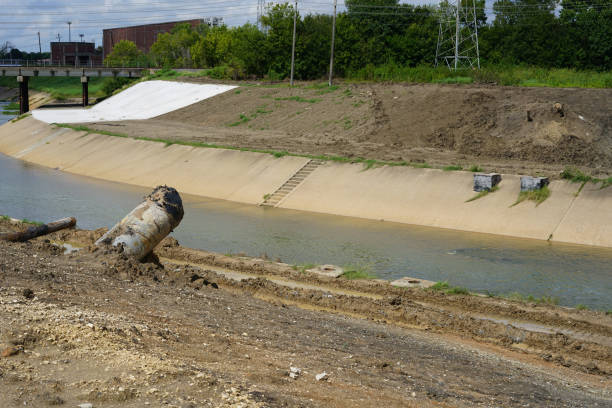
Consistent scheduling. Ask how the provider adjusts mowing frequency across seasons, and whether they offer flexibility for unexpected weather-related growth spurts. A dedicated vegetation management company that understands both the landscaping and the regulatory side of pond maintenance tends to deliver more reliable, long-term results than a general lawn care provider working outside their usual scope.
Conclusion
Stormwater pond slopes need regular attention to stay functional and safe. Mowing frequency shifts with the seasons, and factors like slope steepness, sun exposure and soil type all play a part in setting the right schedule for your property.
Skipping mowing, particularly on steep banks, often leads to bigger problems down the line, from erosion to compliance issues with local stormwater regulations.
Not sure how your pond's slopes are holding up right now? Reach out to Green Thumb for a straightforward assessment and a mowing plan built around your property's actual conditions.
Frequently Asked Questions
1. How often should stormwater pond slopes be mowed?
Most ponds need mowing every two to four weeks during the growing season, and every six to eight weeks during cooler months. The exact frequency depends on slope steepness, soil type and local weather conditions.
2. Why do steep pond slopes need special mowing equipment?
Standard mowers are often unsafe to use on steep inclines. Specialised equipment, such as remote-controlled slope mowers, allows crews to maintain these areas safely without putting workers at risk.
3. What happens if pond slopes are not mowed regularly?
Overgrown slopes can hide erosion, animal burrows and structural issues. Woody plants may also take root, which can weaken the bank over time and make future maintenance more difficult.
4. Does mowing frequency change with the seasons?
Yes. Growth is fastest in spring and summer, requiring more frequent mowing. In fall and winter, growth slows, so mowing can typically happen less often.
5. Can mowing too often attract geese to a pond?
Yes, in some cases. Geese are often drawn to short, tender grass near water. If geese activity is a concern, it is worth discussing mowing frequency and pond edge management with your maintenance provider.
Comments