
How Often Should Stormwater Facilities Be Inspected?

Most property managers ask the same question sooner or later. How often should stormwater facilities such as ponds, basins, and drains be checked? The honest answer is that it depends. Stormwater inspection frequency changes with the type of facility. It also changes with local rules, the age of the system, and how the site is used. One simple rule will not fit every property with stormwater facilities.

This guide explains why timing varies for stormwater facilities. It also shows what a normal schedule looks like and how to build a plan for your site. If you are new to this topic, note that stormwater facility maintenance in Virginia owners handle is closely tied to inspections. You can also see the full list of services on the Green Thumb Site Management home page. By the end, you will know how to decide how often to inspect your own stormwater facilities.
What a Stormwater Facility Inspection Involves
A stormwater facility inspection is a planned check of stormwater facilities. These are the parts of a site that control rain runoff. The inspector walks the site and looks at each feature. Then they write down what they see. The goal is to learn if each of the stormwater facilities still works as designed.
What Inspectors Usually Check
The list depends on which of the stormwater facilities is being checked. For a pond or basin, an inspector often looks at:
The shape of banks and slopes
Plant growth and bare soil
Dirt buildup in the pool and near the inlet
Inlet and outlet pipes
Trash racks, risers, and spillways
Signs of erosion, leaks, or sinkholes
Paths that crews use to reach the site
Other stormwater facilities have a different list. These include catch basins, swales, and underground chambers. For these, inspectors look for blocks, cracks, standing water, and broken covers. Good reports include photos and notes. That way, you can see what the inspector saw.
Inspection and Maintenance Are Not the Same
Many people use these two words as if they mean the same thing. They do not. An inspection finds problems. It records the state of your stormwater facilities. Maintenance fixes those problems and keeps stormwater facilities working.
Why Stormwater Inspection Frequency Varies
No single schedule fits every site. Several factors change how often stormwater facilities need a check. Once you know these factors, you can pick a schedule with confidence.
Types of Stormwater Facilities
Each type of stormwater facility collects a different amount of dirt and trash. Each one also fails in its own way. A wet pond holds water all year. Over time, dirt builds up on the bottom. A dry basin may look fine for months. Then it clogs after one big storm.
Underground stormwater facilities are hard to see. Pipes, vaults, and chambers can fill with dirt slowly. Since the problem is hidden, regular checks matter even more.
Site Conditions
Where a property sits makes a big difference. A site with tall trees drops leaves into inlets each fall. A site on a steep slope may see more erosion. A site near a busy road may collect oil, litter, and sand.
Soil also plays a part. Clay soil drains slowly, so water sits longer. Sandy soil drains fast, but it can wash away on slopes. Each of these changes how soon problems show up.
Age and Condition of Stormwater Facilities
New stormwater facilities need a close watch in the first few years. Plants are still growing in. The soil is still settling. Small build errors may only show up after a few storms. Older stormwater facilities face a different risk. Concrete cracks. Metal rusts. Pipes wear out. A pond that has never been cleaned may hold far less water than it did at first. Older systems often need more frequent checks.
Local Rules and Permit Conditions
Rules also shape the schedule. Cities and counties set their own needs for stormwater facilities. Some ask owners to hire an inspector each year and send in a report. Others do the inspections on their own set cycle. Permits and care agreements may also list tasks and timing. So the best first step is to read the papers tied to your property. Then confirm the details with your local stormwater office.
Typical Inspection Schedules by Facility Type
Schedules differ, but common practice gives you a good start. The table below shows general timing for several types of stormwater facilities. Use it as a guide only. Your local rules and permit come first.
Facility Type | Common Inspection Timing | Extra Checks to Consider | Main Concerns |
Retention (wet) pond | At least once a year | After major storms and each season | Sediment, erosion, algae, outlet clogs |
Detention (dry) basin | At least once a year | After heavy rain events | Standing water, plant growth, blocked outlets |
Catch basins and inlets | One or more times a year | Before and after leaf season | Trash, sediment, damaged covers |
Underground pipes and vaults | Often on a multi-year cycle, or yearly for busy sites | After backups or flooding | Buildup, cracks, blocked flow |
Swales and channels | At least once a year | After storms | Bare soil, ruts, blocked flow |
Rain gardens and filters | One or two times a year | During the growing season | Clogged soil, dead plants, poor drainage |
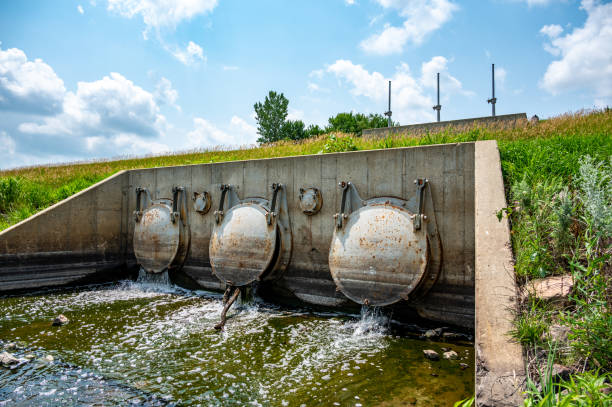
Outlet structures and spillways | At least once a year | After major storms | Debris, rust, cracks, erosion |
How to Read the Stormwater Inspection Frequency Table
Treat the stormwater inspection frequency in the table as a minimum. It is not a perfect answer. A pond on a quiet site with few trees may do well with one check a year. A pond near a busy road and a wooded lot may need more visits. If you are unsure, ask a qualified provider to suggest a schedule after a site visit.
Stormwater Compliance Inspection: What Regulators Expect
A stormwater compliance inspection checks if stormwater facilities meet the rules that apply to them. A local inspector may do it. The owner's hired inspector may do it too. Often both do. The result goes into a file that shows the site is being kept up.
Virginia Local Programs
In Virginia, state stormwater rules are overseen by the Virginia Department of Environmental Quality. Local governments then run their own programs. Many places inspect permanent stormwater facilities on a set cycle. A common cycle is once every five years, though some places check more often. Owners may also need to hire an inspector each year and file a report.
Records That Support Compliance
Inspection results only help if you keep them. Good records usually include:
Dated inspection reports
Photos of each feature
Work logs and invoices
Notes on repairs and follow-up checks
Copies of any notices from the locality
When an inspector or lender asks questions, these records give the answers. They also help new board members learn the history of a site
.
Preparing for an Official Visit
Do not wait for the local inspector to find problems with your stormwater facilities. A private check a few months before gives you time to fix issues. Clear debris. Trim plants. Repair small damage. Gather your records. A little prep makes official visits easier.
Adjusting Stormwater Inspection Frequency After Storms and Special Events
A set stormwater inspection frequency is a good base. But some events call for extra checks. Heavy rain is the most common one. After a large storm, look at outlets, trash racks, banks, and spillways. Check if water drained as it should. Look for new erosion, fallen trees, and trash piled against structures. A short visit can stop a small problem from growing.
Other events can also call for a check:
Nearby building work that sends dirt downstream
A pipe backup or local flooding
A big change in site use, such as a new parking area
A report from a resident or tenant about standing water
A long dry spell followed by heavy rain
These checks do not need to be long. A quick walk and a few photos are often enough. If something looks wrong, call a qualified provider for a full review.
How Property Managers Can Plan Inspections
Planning your stormwater inspection frequency is the best way to make inspections routine. Without a plan, visits get missed. Records fall behind. These steps keep the process simple.
Step 1: Gather Your Documents
Start by collecting the papers for each facility. Helpful items include:
Original site plans and as-built drawings
Care agreements
Permit terms
Past inspection reports
Records of repairs and cleaning
These papers show what was built and what was promised. They also show how the system has changed. If you cannot find them, ask the local office for copies.
Step 2: List Every Facility
Make a simple list of all stormwater facilities on the property. Include ponds, basins, inlets, pipes, vaults, swales, and outlets. Note where each one sits and what type it is. Many owners miss small items, such as an inlet in a far corner of the lot. A map makes the list easier to use.
Step 3: Set a Base Stormwater Inspection Frequency
Use your permit, local rules, and the table above to set a base schedule for each of your stormwater facilities. Add extra checks for storms and seasons. Then put all dates on one calendar. Share it with your board, staff, and service provider. That way, no one is caught off guard.
Step 4: Set a Budget
Inspections cost less than emergency repairs. Plan for them as a regular line in your budget. If you manage a large site or many communities, a yearly plan can spread out the cost. Ask providers for clear prices so you know what each visit covers.
Step 5: Choose a Qualified Provider
Many managers hire outside help for stormwater inspection services. When you compare providers, ask these questions:
Do they know local stormwater rules and inspection steps?
Do they give written reports with photos and clear next steps?
Can they inspect the types of stormwater facilities on your property, including underground systems?
Can they also handle the repairs found during inspections?
Do they offer follow-up visits after work is done?
Clear reports and plain words matter. You should be able to read a report and know what to do next.
Why Inspection and Maintenance Work Best Together
Inspections give you facts. Maintenance turns those facts into action. When you plan the two together, stormwater facilities run better.
Underground Systems
Pipes, vaults, and chambers sit out of sight. So they are easy to forget. They can fill with dirt and block flow to ponds and drains. They may need special cleaning. Entering these spaces can also be unsafe. Many owners rely on trained crews for underground stormwater facility maintenance once an inspection finds buildup or damage.
Ponds and Basins
Ponds and basins collect dirt, trash, and plant growth. They also face bank erosion and outlet clogs. A yearly inspection often points to tasks such as mowing slopes, removing dirt, and fixing outlets. For more detail on those tasks, see this overview of pond maintenance Virginia owners plan each year.
One Plan for Both
Some providers offer both services. That keeps findings and repairs linked. It can also keep your records in one place. For example, stormwater inspection and maintenance services can include a detailed report, a list of tasks, and a follow-up visit once work is done.
Green Thumb Site Management is based in Culpeper, Virginia. The company serves Virginia and nearby states. Its services include stormwater inspections, facility maintenance, consulting and compliance support, jetvac cleaning, slope mowing, landscaping, and rehabilitation. Its inspection reports include photos and clear advice. The team can also return for follow-up inspections after maintenance. Each service is matched to the needs of the site.
Warning Signs Between Scheduled Inspections
Even with a good schedule, problems can appear at stormwater facilities between visits. Watch for these signs when you walk the property:
Water that stays on pavement or grass for more than a day or two
Pond water that looks higher or lower than normal
Bare soil, gullies, or leaning plants on banks
Thick algae, strong odors, or an oily sheen
Trash or leaves piled around inlets and outlets
Cracks, sinkholes, or sunken pavement near drains
Rust, damage, or missing parts on structures
Plants that block flow paths or access routes
If you see any of these signs, take a photo and note the date. Then book a review. Do not wait for the next planned visit.
Conclusion
Stormwater inspection frequency is not the same for every site. It depends on the type of facility and the site conditions. It also depends on the age of the system and local rules. One check a year is a common start for stormwater facilities. Add visits after storms and for higher risk features. Some underground systems follow longer cycles, but they still need regular care.
If you manage a property and are not sure how often your stormwater facilities should be checked, contact Green Thumb Site Management to discuss an inspection schedule for your site. Share your property details and any past reports. A qualified stormwater maintenance company can help you decide what to inspect, how often, and what to do with the results.
Frequently Asked Questions
What is the standard stormwater inspection frequency?
There is no single standard for every site. Many owners inspect stormwater facilities such as ponds, basins, and outlets at least once a year. They add extra checks after major storms. Local programs may use longer cycles of their own, and permits may set stricter terms. Always confirm the rules for your property with your local stormwater office.
Do underground stormwater systems need regular inspections?
Yes. Underground pipes, vaults, and chambers can fill with dirt and debris with no sign at the surface. Some sites check them every few years. Busy or older sites may need yearly checks. A qualified provider can use cleaning and camera tools to look inside the system safely.
What is a stormwater compliance inspection?
A stormwater compliance inspection checks if stormwater facilities meet the rules that apply to them. It looks at condition, function, and records. A local program may use the result. The owner may also keep it on file as proof of care.
Who is responsible for inspecting stormwater facilities on private property?
Owners are usually responsible for stormwater facilities on their land. For communities, that often means the HOA or its management company. For commercial sites, it is typically the owner or manager. Your care agreement or permit will list the exact duties.
How do I choose stormwater inspection services for my property?
Look for experience with your type of facility and knowledge of local rules. Ask for sample reports with photos and clear advice. Check if the provider can handle repairs and follow-up visits. Clear talk and good records make long-term planning much easier.
Comments